
Good news for overseas designers: China uses the same ISO A-series paper as Europe. The quirks are in the details — business card dimensions, how paper weight is labelled, and the prepress rules Chinese print shops enforce. Here is the complete reference.
The A-series, exactly as you know it
- A0: 841×1189 mm — large-format posters and backdrops
- A1: 594×841 mm — exhibition posters
- A2: 420×594 mm — signage and point-of-sale
- A3: 297×420 mm — posters and menus
- A4: 210×297 mm — flyers, catalogs, documents
- A5: 148×210 mm — booklets and handouts
- A6: 105×148 mm — postcards
- DL: 99×210 mm — brochures and invitations
The one size that differs: business cards
Chinese business cards are 90×54 mm (名片, míngpiàn) — wider than the 85×55 mm international size. If your design was made for the international size, it will be stretched or re-centred to fit. We recommend designing natively at 90×54 mm with 3 mm bleed (96×60 mm canvas) so your bilingual card looks intentional, not resized.
Paper weight: GSM without the jargon
Chinese suppliers quote paper in 克重 (grammage) — grams per square metre, the same unit as GSM. A 157克 coated sheet is 157gsm. Common weights: 105–128gsm for throwaway flyers, 157gsm for handouts, 200–250gsm for posters and covers, 300–400gsm for business cards and postcards. No conversion needed; the numbers match.
Prepress rules Chinese shops enforce
- 3 mm bleed on all trimmed edges
- CMYK colour space, 300 DPI for print, 100–150 DPI for large-format
- Fonts outlined or embedded in the PDF
- No spot colours unless a Pantone ink is explicitly ordered
- File naming and layers in English, with Chinese text set as real text — not a flattened image, if you want it corrected
Quick answers
Related resources
Products this guide covers
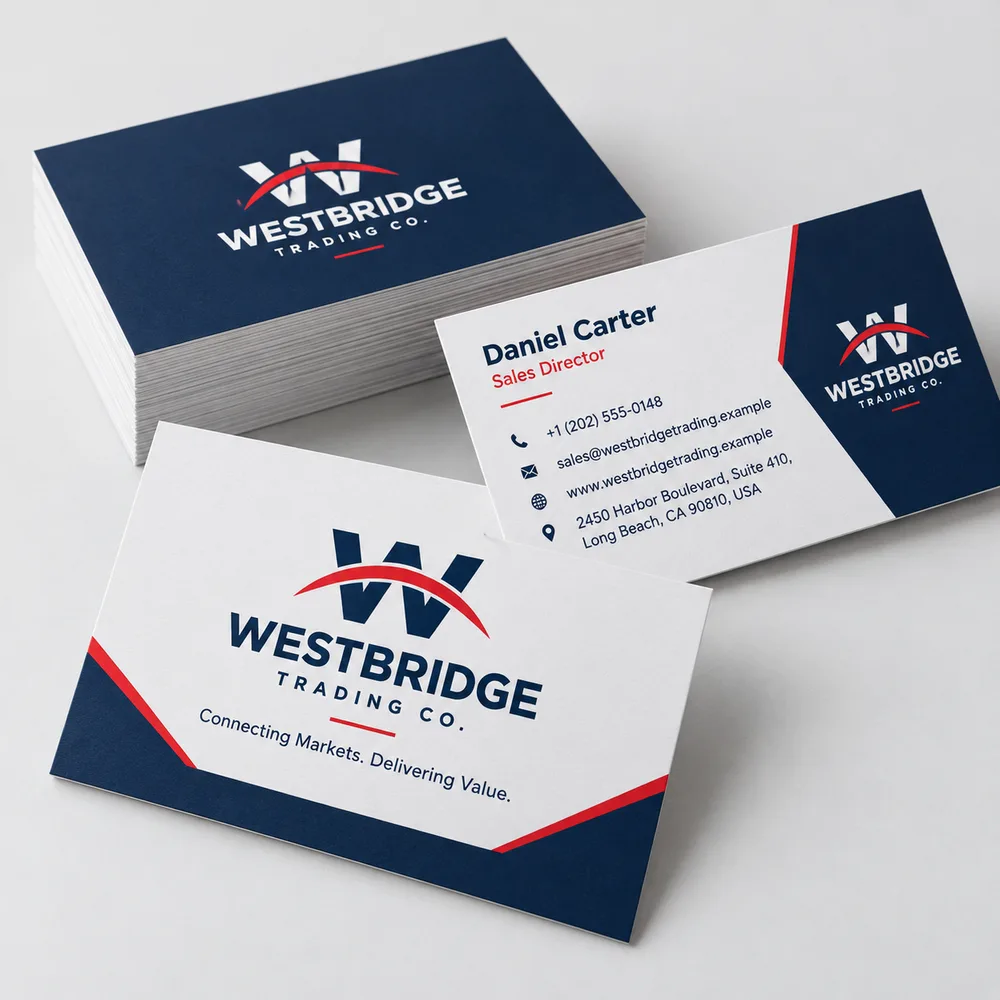
2–3 business days (24h rush)
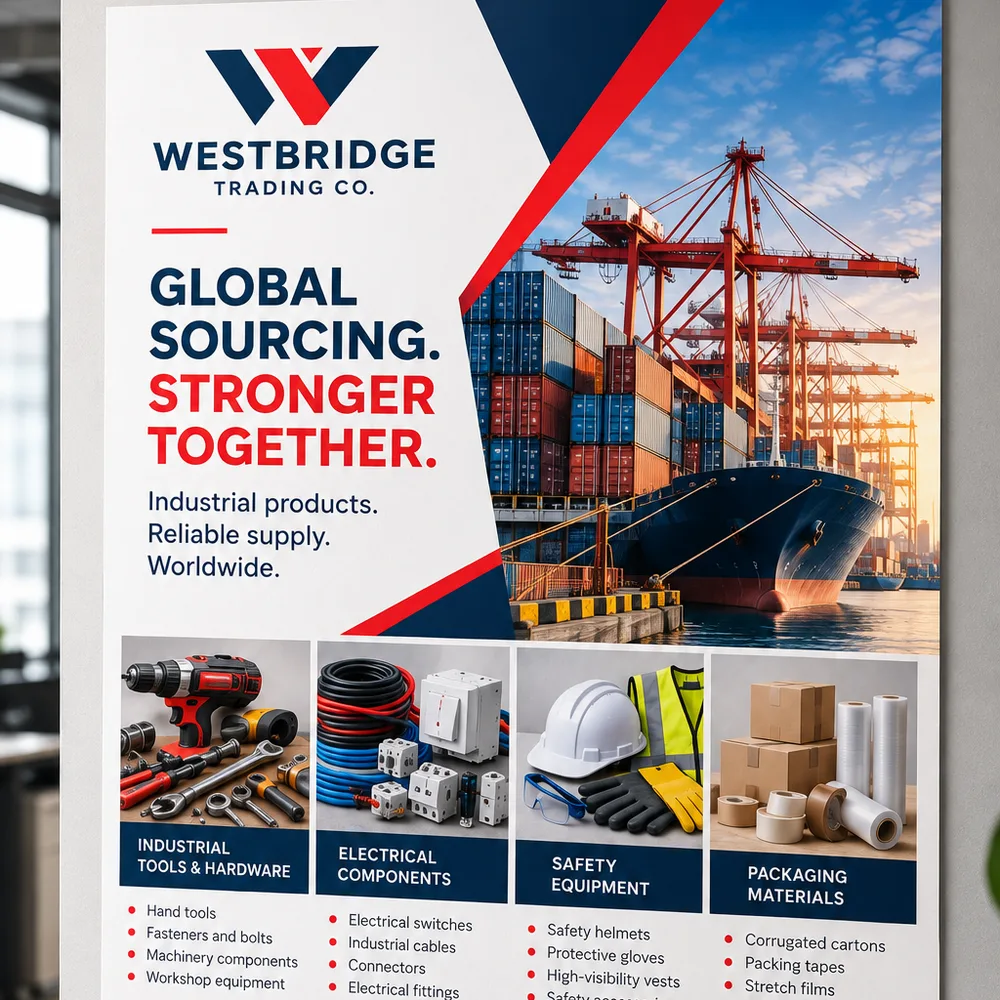
3–4 business days
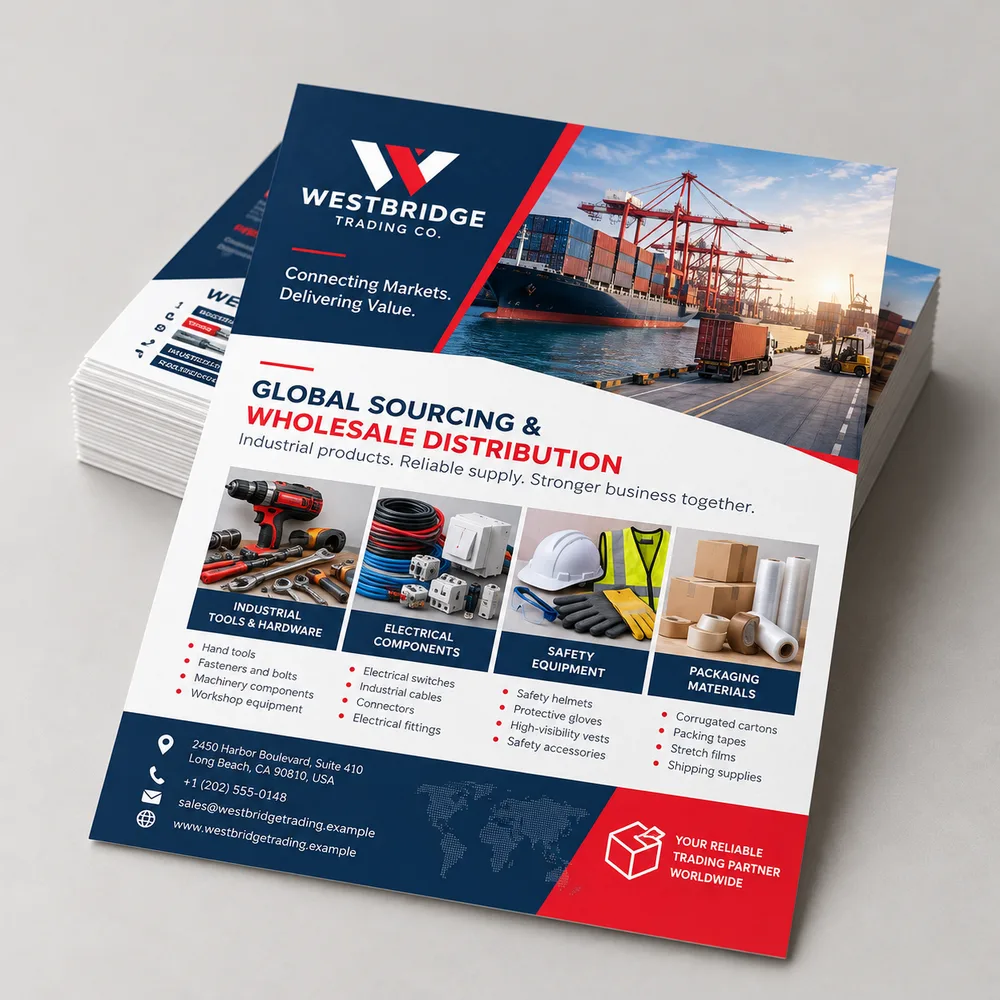
2–3 business days
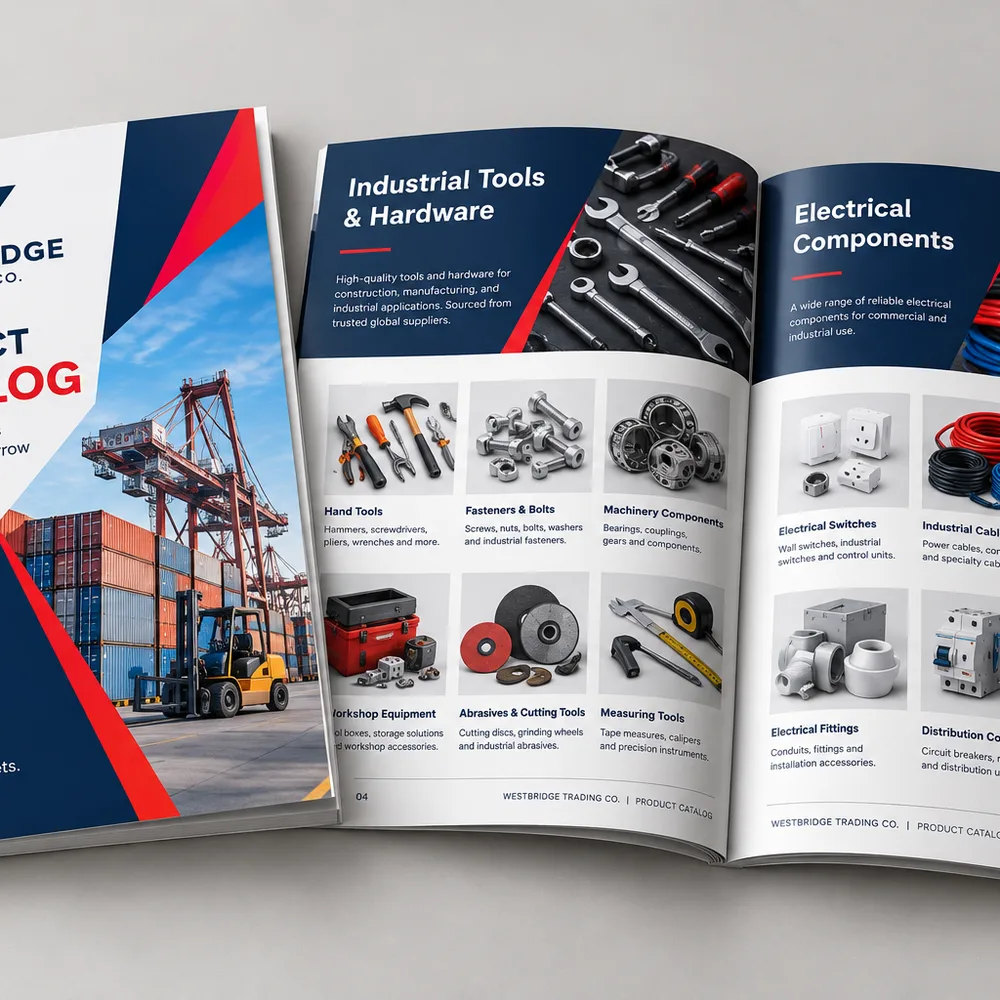
4–5 business days